
Key Features of Butterfly Valves: Design Advantages, Performance, and Applications
Butterfly valves rank among the most widely used flow control valves in modern industrial piping systems. Because they combine a compact structure, fast operation, and cost-effective performance, industries such as water treatment, oil & gas, chemical processing, power generation, and HVAC systems rely heavily on butterfly valves.
In this article, we examine the main features of butterfly valves to help users better understand their technical advantages and real-world application value.
1. Compact and Simple Structure
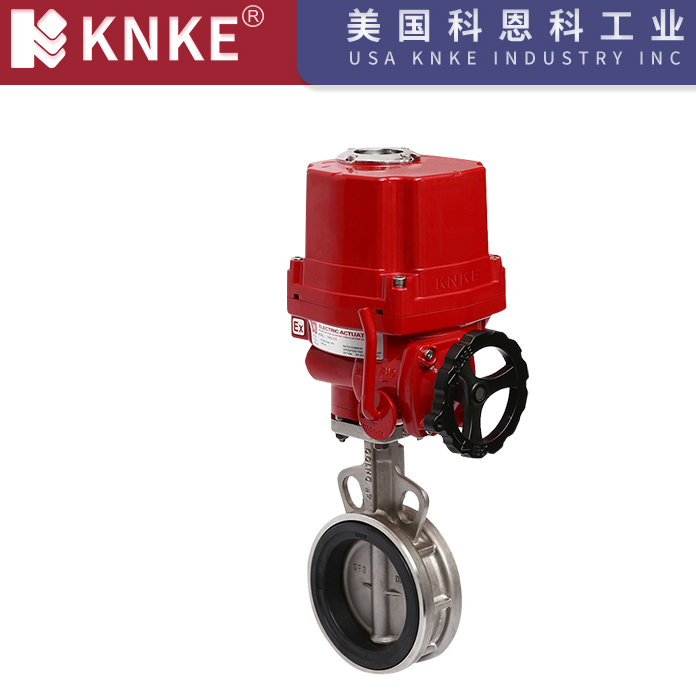
First and foremost, a compact and simple structure defines one of the key features of butterfly valves. Manufacturers design a typical butterfly valve with only a valve body, disc, stem, and sealing components. As a result, butterfly valves use fewer parts than gate valves or globe valves.
Moreover, this streamlined design reduces overall weight and installation space. Therefore, engineers often choose butterfly valves for large-diameter pipelines and confined installation environments.
2. Fast Opening and Closing Operation
Another important advantage lies in fast opening and closing performance. Butterfly valves operate with a quarter-turn (90-degree) rotation, which allows operators to move the valve from fully open to fully closed within seconds.
Consequently, butterfly valves perform exceptionally well in applications that require frequent operation or rapid shut-off. In addition, when users pair butterfly valves with electric or pneumatic actuators, they can easily integrate them into automated control systems for remote and precise flow control.
3. Low Flow Resistance and Energy Efficiency
In the fully open position, the valve disc creates minimal obstruction to the fluid path. As a result, butterfly valves generate low pressure drop and reduced flow resistance, which directly improves energy efficiency across the entire piping system.
For this reason, engineers frequently select butterfly valves for high-flow and large-volume applications, such as water distribution networks and circulating systems.
4. Multiple Sealing Options for Wide Operating Conditions
Furthermore, butterfly valves offer multiple sealing designs, which allows them to perform reliably under different operating conditions.
For example:
- Soft-seated butterfly valves provide excellent sealing performance and suit low-pressure, normal-temperature media.
- Metal-seated (hard-sealed) butterfly valves withstand high temperature, high pressure, and abrasive media, making them ideal for harsh industrial environments.
Therefore, this sealing flexibility significantly expands the usable range of butterfly valves across industries.
5. Cost-Effective Design with Low Maintenance
Compared with other valve types of the same size, butterfly valves deliver lower manufacturing and installation costs. Their lightweight construction reduces transportation expenses, while their simple internal design shortens maintenance time.
Consequently, from a total lifecycle cost perspective, butterfly valves offer excellent value for money, especially in large-scale industrial projects.
6. Wide Range of Industrial Applications
Because of these combined advantages, butterfly valves serve a wide range of industries, including:
- Water supply and wastewater treatment systems
- Oil, gas, and petrochemical industries
- Power generation and metallurgical processes
- Food, beverage, pharmaceutical, and sanitary applications
Moreover, butterfly valves support both on-off control and flow regulation, which makes them a highly versatile valve solution.
In summary, the key features of butterfly valves include compact structure, fast operation, low flow resistance, flexible sealing options, cost efficiency, and broad applicability. As a result, butterfly valves play an essential role in modern industrial fluid control systems.
Therefore, selecting the right butterfly valve based on pressure rating, temperature range, and media characteristics ensures optimal performance, long service life, and reliable operation.