
Applications of Mass Flow Meters: Key Industries and Selection Guidelines
In modern industrial flow measurement, applications of mass flow meters have become a major focus for process engineers and automation specialists. Unlike traditional volumetric flow meters, mass flow meters measure the mass flow of a fluid directly, eliminating errors caused by temperature and pressure fluctuations. This makes them essential in high-precision and high-consistency environments.
1. Working Principles and Advantages of Mass Flow Meters
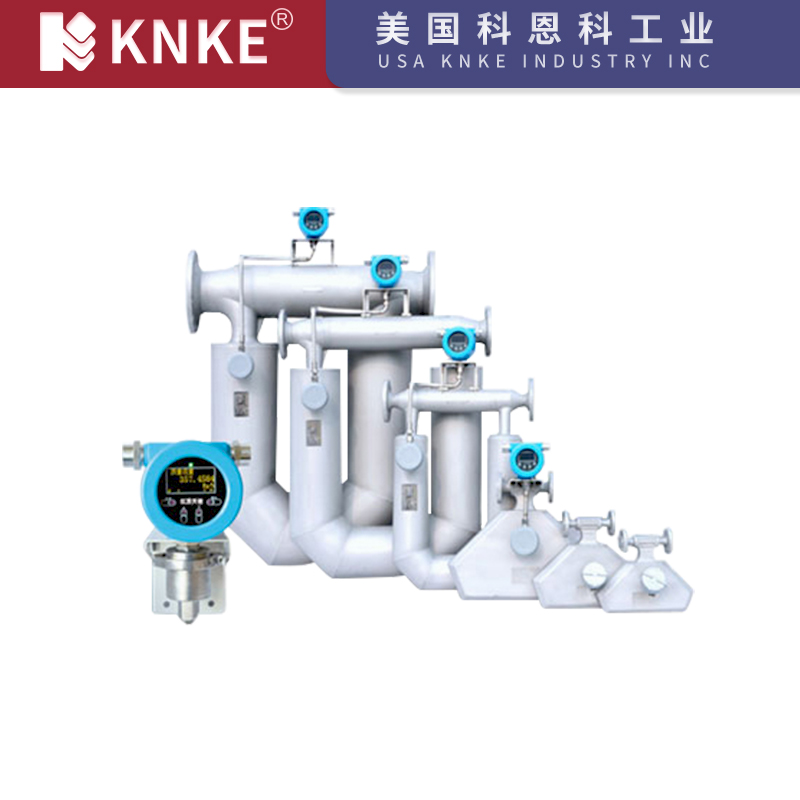
Today, the most widely used mass flow meters include Coriolis mass flow meters and thermal mass flow meters, each suited to different types of media.
Coriolis Mass Flow Meters
Based on the Coriolis force principle, they are ideal for liquids and high-viscosity media. Main advantages include:
- High accuracy (often ±0.1% or better)
- Simultaneous density and temperature measurement
- Unaffected by fluid properties or pressure variations
Thermal Mass Flow Meters
Commonly used for gases, offering:
- Simple structure
- Excellent repeatability
- Ideal for low-flow gas measurement
2. Major Applications of Mass Flow Meters (SEO Core Section)
The applications of mass flow meters extend across a wide range of industries where precise and stable measurement is essential.
1. Chemical and Petrochemical Industry
- Raw material dosing
- Reactor feed control
- Loading/unloading and custody transfer
Coriolis meters perform exceptionally well in challenging media such as viscous fluids, corrosive liquids, and multiphase flows.
2. Pharmaceutical Manufacturing
- Accurate dosing of raw materials
- Fermentation process monitoring
- Production of injection solutions and medical liquids
High accuracy helps ensure consistent product quality and compliance with GMP requirements.
3. Food and Beverage Industry
- Measurement of syrups, oils, and viscous media
- Automated blending and batching
- CIP chemical monitoring
Real-time density measurement helps maintain product uniformity.
4. New Energy and Lithium Battery Sector
- Electrolyte dosing
- Electrode slurry flow monitoring
- Density and solid-content control
Mass flow meters provide stable measurement for high-viscosity, high-solid media where conventional meters struggle.
5. Semiconductor and High-Purity Gas Applications
- High-purity gas flow control
- Precise chemical gas distribution
- Process gas monitoring during cleaning steps
Thermal mass flow meters are widely used in ultra-clean gas delivery systems.
3. Key Advantages Across Applications
Across all industries, the primary benefits of using mass flow meters include:
- High-precision measurement for critical processes and custody transfer
- Stable performance for viscous, non-Newtonian, or complex fluids
- Simultaneous acquisition of mass flow, density, and temperature
- Reduced process variability, resulting in better product quality
Mass flow meters have evolved into essential tools in advanced manufacturing and process automation.
4. Key Selection Guidelines
To ensure the best performance in real-world applications, consider the following when selecting a mass flow meter:
1. Fluid Type
- Liquids, slurries, viscous fluids → Coriolis type
- Gases, low-flow applications → Thermal type
2. Flow Rate Range
Select a meter with a range that allows operation within 30–80% of its full scale for optimal accuracy.
3. Temperature and Pressure Conditions
Ensure compatibility of the sensor material and design with the working environment.
4. Accuracy Requirements
Custody transfer and critical dosing processes typically require higher precision (e.g., 0.1%).
5. Future Trends in Mass Flow Meter Applications
With increasing levels of industrial digitalization, mass flow meters are progressing toward:
- Greater support for digital communication (HART, Modbus, Profibus)
- More advanced self-diagnostic functions
- Enhanced multi-parameter measurement capabilities
- Improved performance in extreme or variable operating conditions
These trends will further expand their role in new energy, biotechnology, and high-end manufacturing.
From chemical processing to lithium battery production, the applications of mass flow meters continue to grow rapidly. Their ability to deliver accurate, stable, and multi-parameter measurement makes them indispensable in modern automated systems. As industries move toward higher precision and digital control, mass flow meters will remain a core instrument for ensuring efficiency, product quality, and process reliability.