
Applications of Booster Pumps: A Comprehensive Guide to Improving Pressure and System Efficiency
In modern industrial systems and civil water supply applications, the applications of booster pumps have become a crucial solution for addressing insufficient pressure and improving fluid delivery efficiency. Whether in high-rise building water supply, industrial process pressurization, or agricultural irrigation systems, booster pumps play an irreplaceable role.
This article provides a systematic overview of the applications of booster pumps, covering their functions, key application areas, and selection considerations.
1. What Is a Booster Pump and Why Are Booster Pump Applications Important?
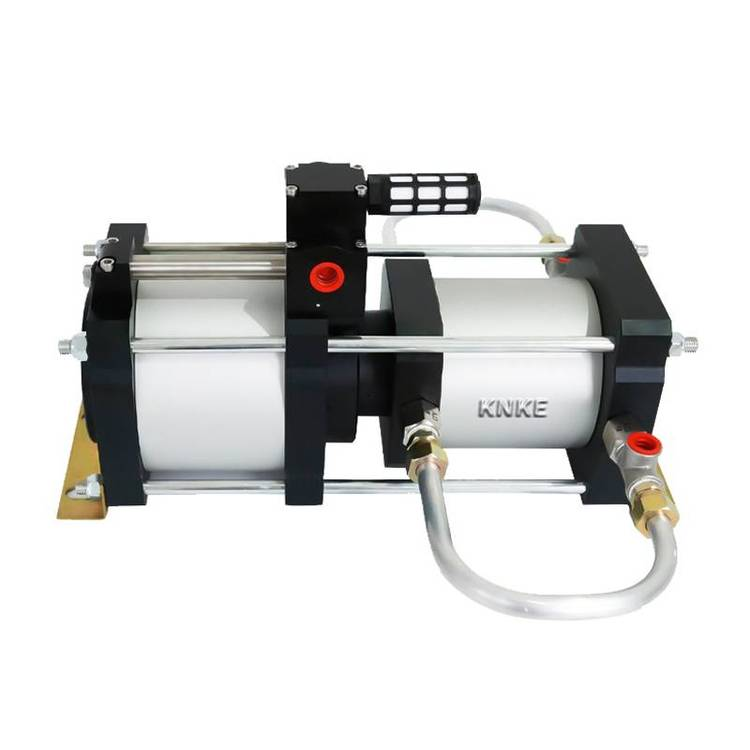
A booster pump is a mechanical device designed to increase fluid pressure within a pipeline system. Its primary function is to compensate for inadequate system pressure and ensure stable and efficient fluid transportation.
The applications of booster pumps are especially necessary in situations such as:
- Insufficient municipal water pressure
- High-rise or long-distance fluid transportation
- Large pipeline resistance and weak terminal pressure
- Industrial systems requiring stable and precise pressure control
Proper booster pump applications can significantly enhance system reliability and operational efficiency.
2. Key Application Areas of Booster Pumps
2.1 Booster Pump Applications in Building and Domestic Water Supply Systems
In high-rise residential buildings, office towers, hotels, and commercial complexes, booster pump applications are mainly used in secondary water supply systems.
- Solving low water pressure on upper floors
- Maintaining constant pressure with variable frequency control
- Improving user comfort and water supply stability
In many urban renovation projects, booster pumps have become essential infrastructure equipment.
2.2 Industrial Applications of Booster Pumps
Booster pump applications are widely adopted across various industrial sectors, including:
- Petrochemical industry: process fluid transfer and circulation pressurization
- Power generation: boiler feedwater and cooling water systems
- Fine chemicals: ensuring stable flow and pressure
- Manufacturing: cleaning, spraying, and cooling processes
Industrial booster pumps typically require high durability, pressure resistance, and reliable sealing performance.
2.3 Booster Pump Applications in Agriculture and Water Conservancy
In modern agricultural systems, booster pump applications help improve water utilization efficiency:
- Pressure compensation for drip and sprinkler irrigation systems
- Long-distance water transportation
- Water supply in mountainous or uneven terrain areas
Proper selection of booster pumps supports water-saving irrigation and stable agricultural water supply.
2.4 Special System Applications of Booster Pumps
Beyond conventional clean water systems, booster pumps are also applied in:
- Hot water and high-temperature systems
- Firefighting pressurization systems
- Gas–liquid mixed transport systems
- Food, pharmaceutical, and hygienic fluid handling
Different media require appropriate pump materials and structural designs to ensure safety and service life.
3. How Booster Pump Applications Improve Overall System Performance
Effective booster pump applications do more than simply increase pressure. They also deliver multiple system-level benefits:
- ✅ Stable operating pressure
- ✅ Reduced pipeline fluctuation and equipment wear
- ✅ Improved terminal performance
- ✅ Energy savings through intelligent and automated control
In particular, variable frequency booster pump applications offer significant advantages in energy efficiency and pressure regulation.
4. Key Selection Factors for Booster Pump Applications
To maximize the effectiveness of booster pump applications, proper selection is critical:
- Identify the fluid type (clean water, hot water, chemical media, etc.)
- Determine required flow rate and head
- Evaluate installation environment and continuous operation conditions
- Decide whether variable frequency or automatic control is needed
- Consider materials, sealing structure, and brand reliability
Scientific selection ensures booster pump applications achieve optimal performance.
Expanding Applications of Booster Pumps
With ongoing urbanization and industrial upgrading, the applications of booster pumps continue to expand. From basic water supply systems to advanced industrial processes, booster pumps have become key equipment for ensuring stable and efficient fluid transportation.
In the future, with the development of energy-saving technologies and intelligent control systems, booster pump applications will become more efficient, reliable, and adaptable to diverse industry needs.