
Applications and Features of Cryogenic Ball Valves: Essential Solutions for Cryogenic Control
Cryogenic systems that handle LNG, liquid nitrogen, liquid oxygen, and liquid hydrogen require highly reliable valves. Cryogenic ball valves meet these demands by offering stable control under extremely low temperatures. As a result, engineers widely use them in safety-critical industries.
This article explains the applications and features of cryogenic ball valves in a clear and SEO-friendly manner.
1. What Is a Cryogenic Ball Valve
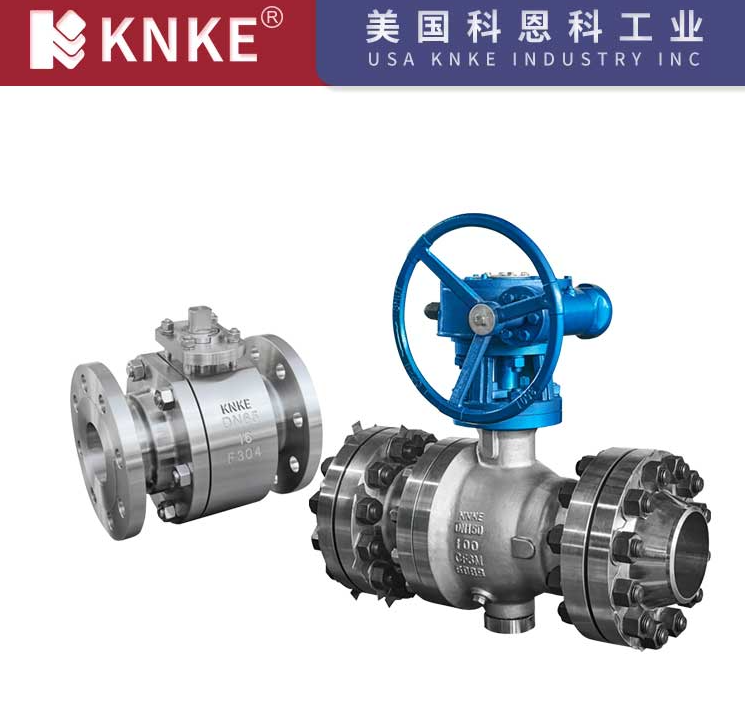
A cryogenic ball valve operates reliably in temperatures ranging from –40°C to –196°C or lower. It controls flow through a rotating ball with a precision-machined bore.
Unlike standard ball valves, cryogenic ball valves use special materials and optimized structures. Therefore, they perform safely in extreme cold conditions.
2. Applications of Cryogenic Ball Valves
1. LNG and Natural Gas Systems
First, LNG terminals rely on cryogenic ball valves for isolation and emergency shutoff. These valves control flow in storage tanks, transfer pipelines, and regasification units.
As a result, they help maintain system safety and operational stability.
2. Industrial Gas and Air Separation Units
In addition, air separation plants use cryogenic ball valves for liquid oxygen, nitrogen, and argon services. These valves ensure accurate control even under continuous low-temperature operation.
3. Petrochemical and Energy Industries
Moreover, petrochemical plants use cryogenic ball valves in low-temperature cracking and separation processes. Their fast shutoff capability improves both safety and efficiency.
4. Aerospace and Scientific Research
Finally, aerospace systems demand valves with extreme reliability. Cryogenic ball valves support liquid hydrogen and liquid oxygen systems with consistent performance and repeatable operation.
3. Key Features of Cryogenic Ball Valves
1. Excellent Low-Temperature Performance
Cryogenic ball valves use austenitic stainless steel and cryogenic alloys. Consequently, they resist brittle fracture at very low temperatures.
2. Extended Bonnet Design
Most cryogenic ball valves feature an extended bonnet. This design separates the packing from the cold zone. As a result, it prevents packing failure and reduces cold transfer.
3. Reliable Sealing Performance
Furthermore, manufacturers use PTFE, modified PTFE, or PCTFE seals. These materials maintain tight sealing during thermal contraction and expansion.
4. Fast and Simple Operation
Cryogenic ball valves operate with a 90-degree turn. Therefore, they allow rapid opening and closing during normal operation or emergencies.
5. Flexible Connection and Actuation Options
In addition, cryogenic ball valves support flanged, welded, and wafer connections. They also work with manual, pneumatic, or electric actuators for automation systems.
4. Advantages of Cryogenic Ball Valves
As a result of these features, cryogenic ball valves provide clear system benefits:
- Improved safety in cryogenic operations
- Reduced leakage risk
- Longer service life
- Lower maintenance costs
- Compliance with international cryogenic valve standards
Therefore, many engineers consider them essential components in modern cryogenic systems.
In summary, the applications and features of cryogenic ball valves demonstrate their importance in extreme low-temperature environments. They perform reliably in LNG, industrial gas, petrochemical, and aerospace systems.
Consequently, selecting the correct cryogenic ball valve improves safety, efficiency, and long-term system performance.