
Electric Butterfly Valve Applications | Working Principle and Industrial Advantages
With the continuous development of industrial automation, electric butterfly valves have become essential components in fluid control systems. By using an electric actuator to drive the disc rotation, electric butterfly valves can achieve on-off control or flow regulation with high efficiency. Thanks to their simple structure, fast response, and high automation level, electric butterfly valves are widely used across various industries.
1. Working Principle of Electric Butterfly Valves
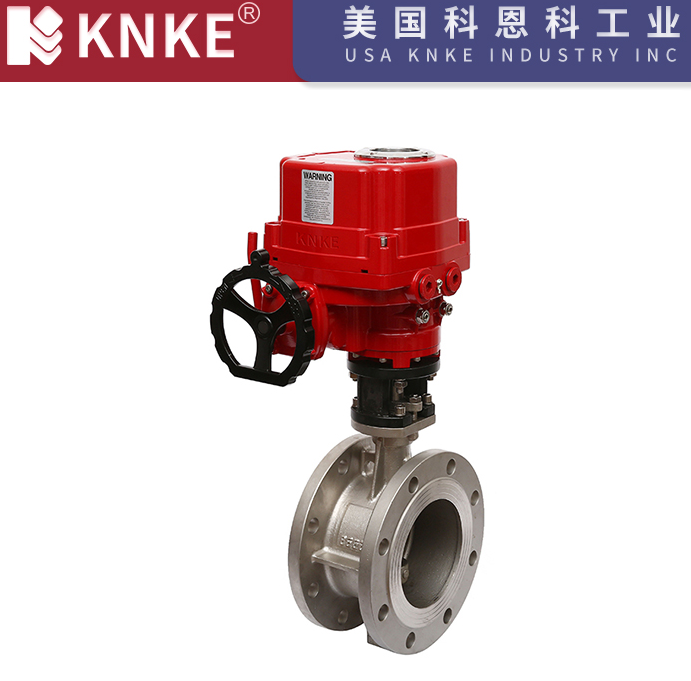
An electric butterfly valve mainly consists of a valve body, disc, stem, and electric actuator. When a control signal is sent from the system, the electric actuator converts electrical energy into mechanical motion, rotating the disc within a 0°–90° range to control the flow of the medium. Compared with manual butterfly valves, electric butterfly valves support remote control and automatic regulation, making them ideal for applications requiring precise control and quick response.
2. Typical Application Fields of Electric Butterfly Valves
1. Water Supply and Wastewater Treatment
In municipal water supply, drainage, and wastewater treatment systems, electric butterfly valves are widely used for pipeline isolation and flow control. Their reliable sealing performance and low maintenance requirements ensure stable operation even under complex water quality conditions.
2. HVAC Systems
In heating, ventilation, and air conditioning systems, electric butterfly valves are commonly used in chilled water, hot water, and air duct control. When integrated with automatic control systems, they help improve energy efficiency and system performance.
3. Power and Energy Industry
Electric butterfly valves are extensively applied in thermal power plants, nuclear power facilities, and renewable energy systems. They are typically used in cooling water and circulating water systems, meeting the requirements for frequent operation and automated control.
4. Chemical and Petrochemical Industry
For corrosive or high-temperature media, stainless steel or fluorine-lined electric butterfly valves can be selected to ensure safety and reliability. In these industries, electric butterfly valves are mainly used for quick shut-off and flow regulation.
3. Main Advantages of Electric Butterfly Valves
- High Automation Level: Electric butterfly valves can be integrated with PLC or DCS systems for remote control and centralized management.
- Fast Operation: The 90-degree rotation design allows quick opening and closing.
- Compact Structure and Lightweight: Electric butterfly valves require less installation space and are easy to install.
- Low Maintenance Cost: Simple structure and fewer components reduce maintenance and operating costs.
4. Selection Considerations for Electric Butterfly Valves
When selecting an electric butterfly valve, factors such as pipeline diameter, medium characteristics, working pressure, working temperature, and control requirements should be carefully considered. In addition, choosing the appropriate actuator type—on-off or modulating—ensures optimal performance in actual applications.
Overall, electric butterfly valves have become a key product in industrial automation due to their excellent control performance and wide applicability. With the continuous advancement of intelligent manufacturing and automation technologies, the application scope of electric butterfly valves will continue to expand, playing an increasingly important role in various industries.