
Electric Ceramic Ball Valve Brands: Selection Guide and Application Overview
With the continuous development of industrial automation and process control, electric ceramic ball valves are increasingly used in industries such as chemical processing, power generation, environmental protection, and metallurgy. Thanks to their material characteristics and compatibility with automated control systems, they are often considered for applications involving abrasive or corrosive media.
This article focuses on electric ceramic ball valve brands, discussing product characteristics, selection considerations, and representative brand directions to provide a practical reference for industrial users.
1. Key Characteristics of Electric Ceramic Ball Valves
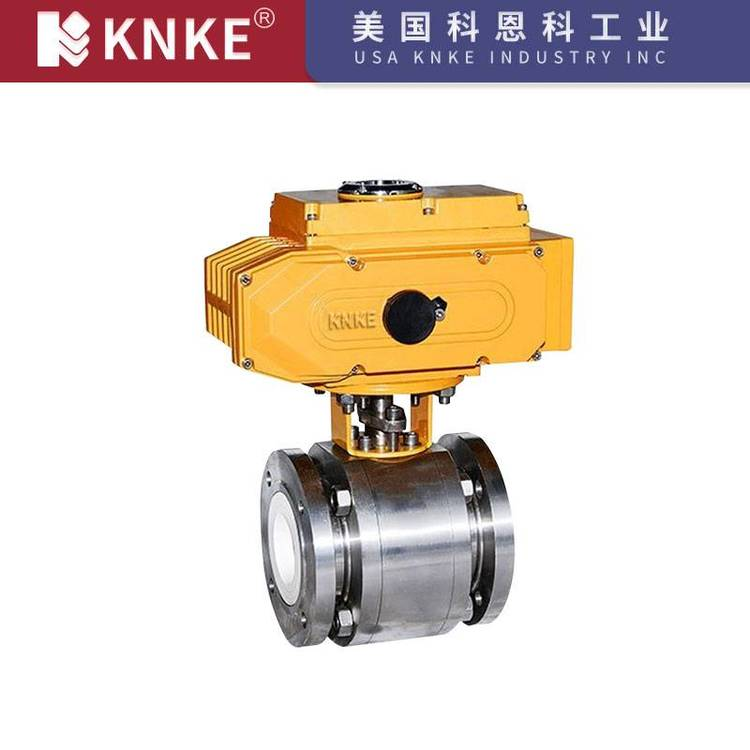
Compared with conventional metal ball valves, electric ceramic ball valves may offer certain material-related advantages under appropriate operating conditions:
- Relatively good wear resistance: Ceramic materials have high hardness, which can be suitable for media containing solid particles
- Stable corrosion resistance: Ceramic components can maintain performance in acidic or alkaline environments
- Reliable sealing performance: Ceramic-to-ceramic sealing structures help maintain sealing consistency during repeated operation
- Reduced maintenance frequency in suitable conditions: Proper application may help lower maintenance requirements
- Automation compatibility: Electric actuators enable remote control and integration with control systems
As a result, electric ceramic ball valves are often considered an optional solution for specific industrial processes.
2. Key Considerations When Selecting Electric Ceramic Ball Valve Brands
When evaluating different electric ceramic ball valve brands, the following factors are commonly taken into account:
1. Ceramic Material and Manufacturing Process
Differences in raw material selection, sintering methods, and machining accuracy can influence product stability and service performance.
2. Electric Actuator Configuration
Actuator protection level, control mode, and matching accuracy with the valve body affect overall operational reliability.
3. Operating Condition Compatibility
It is important to confirm whether the valve is suitable for abrasive media, corrosive fluids, or continuous operation based on actual parameters.
4. Application Experience and Technical Support
Brands with established application experience and technical support resources can provide better assistance during installation and operation.
3. Overview of Representative Electric Ceramic Ball Valve Brands
1. Emerson
Emerson has a broad presence in industrial automation and process control. Its valve-related solutions are applied in various industries, with a focus on system compatibility and control integration.
In electric valve applications, Emerson solutions are often considered for projects where automation systems and process control coordination are key requirements.
2. Siemens
Siemens has long-standing experience in industrial automation, electric actuators, and control systems.
Its electric valve-related products emphasize operational stability and system integration, making them a common reference in large-scale industrial installations.
4. Application Characteristics of U.S. KNKE Electric Ceramic Ball Valves
U.S. KNKE focuses on electric ceramic ball valve designs intended for specific operating conditions. Typical application-related characteristics include:
- Ceramic ball and seat structures suitable for abrasive or corrosive media
- Emphasis on sealing stability during repeated opening and closing
- Compatibility with electric actuators for automated control requirements
- Application experience in slurry handling, chemical media transfer, and similar processes
For projects that require consideration of wear resistance and corrosion resistance, U.S. KNKE electric ceramic ball valves may serve as one of the available reference options.
5. Development Trends of Electric Ceramic Ball Valve Brands
From an industry perspective, the development of electric ceramic ball valve brands generally focuses on:
- Ongoing optimization of ceramic material performance
- Improved coordination between electric actuators and control systems
- Customized designs for specific operating conditions
- Greater attention to lifecycle cost and maintenance convenience
Overall, selecting an appropriate electric ceramic ball valve brand requires a comprehensive evaluation of operating conditions, system requirements, and expected performance. By comparing material characteristics, structural design, and application experience in a rational manner, users can identify solutions that better match their specific industrial needs.