
Applications of Vacuum Valves in Industrial Vacuum Systems
Vacuum technology plays an essential role in modern industrial production and scientific research. Industries such as semiconductor manufacturing, vacuum coating, pharmaceutical processing, food packaging, and aerospace testing all rely on stable vacuum environments. In these systems, vacuum valves serve as critical control components that regulate gas flow, isolate equipment, and maintain stable pressure conditions.
Without reliable valve control, a vacuum system cannot maintain its required pressure range. Therefore, engineers carefully design vacuum valves to meet strict sealing, structural, and material requirements.
Understanding Vacuum Valves
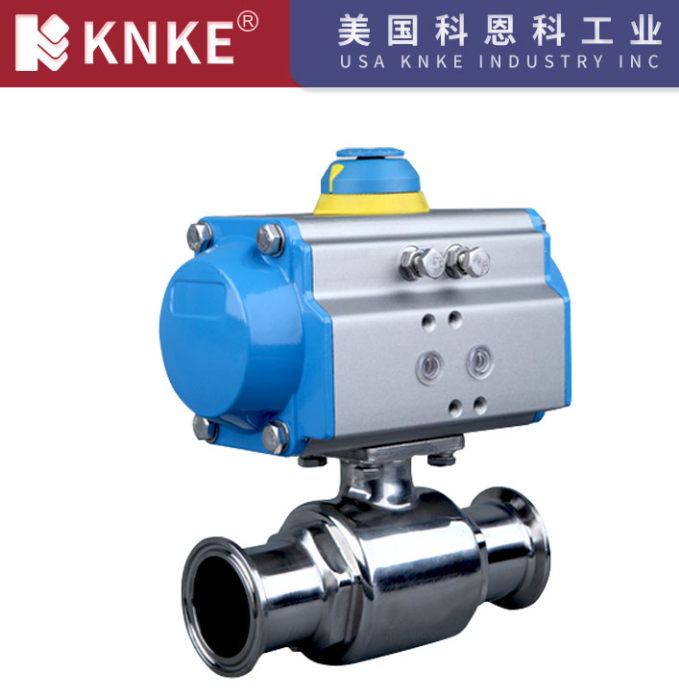
A vacuum valve is a mechanical device that controls gas flow inside a vacuum pipeline or chamber. Operators use these valves to open or close pipelines, regulate gas flow, isolate equipment sections, and protect sensitive devices such as vacuum pumps.
Unlike conventional industrial valves, vacuum valves must prevent extremely small leaks. Even a minor leak can disrupt system pressure and reduce process stability. For this reason, manufacturers produce vacuum valves with precision machining and specialized sealing structures.
Moreover, designers focus on minimizing internal gas release because material outgassing can influence vacuum levels.
Common Types of Vacuum Valves
Different vacuum systems require different valve structures. As a result, several valve types appear frequently in industrial and laboratory applications.
Vacuum Gate Valves
Vacuum gate valves isolate sections of vacuum pipelines. The valve operates by moving a gate plate up or down to open or close the flow passage.
Engineers often choose this valve type because it offers low flow resistance and a relatively simple structure. Consequently, vacuum gate valves appear frequently in pumping systems and research equipment.
Vacuum Ball Valves
Vacuum ball valves control gas flow using a rotating spherical ball. When the ball rotates, the internal passage either aligns with the pipeline or blocks it.
This structure provides a nearly straight flow path. Therefore, the valve produces low flow resistance and enables quick operation. Many vacuum systems that require frequent switching prefer this design.
Vacuum Butterfly Valves
Vacuum butterfly valves regulate flow through a rotating disc installed inside the pipeline. When the disc rotates, it either restricts or allows gas movement.
In addition, the valve body has a compact structure and relatively low weight. Because of these advantages, engineers commonly install butterfly valves in large-diameter vacuum pipelines and pump inlet systems.
Vacuum Diaphragm Valves
Vacuum diaphragm valves use a flexible diaphragm to separate the internal flow from external components. This design prevents contamination and improves cleanliness.
As a result, industries such as pharmaceutical manufacturing, biotechnology, and high-purity gas processing frequently adopt diaphragm valves.
Key Technical Requirements for Vacuum Valves
Vacuum environments place strict demands on valve design and performance. Therefore, engineers must consider several important technical factors.
High Sealing Performance
Leak prevention remains one of the most important goals in vacuum system design. Even extremely small leaks can influence system stability.
Manufacturers typically use several sealing methods, including:
- Elastomer seals
- Metal seals
- Bellows seals
Among these options, bellows sealing structures effectively eliminate leakage around the valve stem. Consequently, high-vacuum systems often rely on this technology.
Stable and Low-Outgassing Materials
Material selection also plays a crucial role in vacuum valve manufacturing. Stainless steel and aluminum alloys often serve as primary materials because they offer strength and low outgassing characteristics.
Furthermore, manufacturers frequently polish or treat internal surfaces. This process reduces gas adsorption and helps maintain stable vacuum conditions.
Multiple Actuation Methods
Vacuum valves support several operating methods. Depending on the system design, engineers may select:
- Manual operation
- Pneumatic actuation
- Electric actuation
- Electromagnetic control
Automated production lines often integrate pneumatic or electric valves with control systems. As a result, operators can monitor and adjust system performance more efficiently.
Compatibility with Different Vacuum Levels
Vacuum systems operate within different pressure ranges. These ranges typically include:
- Low vacuum
- Medium vacuum
- High vacuum
- Ultra-high vacuum
Each pressure range requires specific sealing methods, materials, and structural designs. Therefore, proper valve selection plays a key role in maintaining system reliability.
Industrial Applications of Vacuum Valves
Many industries depend on vacuum valves to maintain controlled environments and stable process conditions.
Semiconductor Manufacturing
Semiconductor production requires highly controlled vacuum conditions. Processes such as thin-film deposition, plasma etching, and ion implantation depend on stable pressure environments.
Vacuum valves regulate gas flow between chambers and isolate process sections. Consequently, they help maintain process consistency and equipment protection.
Vacuum Coating Equipment
Vacuum coating systems produce optical coatings, decorative films, and functional thin layers. In these systems, vacuum valves isolate coating chambers from pumping systems.
In addition, valves allow operators to control the pressure conditions during coating processes.
Pharmaceutical and Biotechnology Systems
Pharmaceutical equipment often uses vacuum processes such as freeze-drying and vacuum drying. These processes require stable pressure control and clean system environments.
Vacuum valves help maintain system sealing while preventing contamination.
Scientific Research Facilities
Research laboratories also rely heavily on vacuum technology. Material science experiments, particle physics studies, and advanced testing platforms all require precise pressure control.
Vacuum valves allow researchers to isolate experimental chambers and adjust vacuum levels when necessary.
Key Considerations When Selecting Vacuum Valves
Engineers must evaluate several factors before selecting a vacuum valve. Proper selection ensures long-term system reliability and stable performance.
Important considerations include:
- Required vacuum level
- Pipeline diameter and valve size
- Gas or process media characteristics
- Operation method and automation level
- Installation space and maintenance requirements
By carefully analyzing these factors, engineers can choose valves that match the system’s operational demands.
Future Development Trends
Industrial technology continues to evolve rapidly. As a result, vacuum systems are becoming more advanced and widely used.
Future vacuum valve development will likely focus on several areas. First, engineers will continue improving sealing technologies for higher vacuum levels. Meanwhile, manufacturers will develop materials with even lower outgassing properties.
In addition, intelligent control systems will allow remote monitoring and automated operation. These innovations will further improve system efficiency and reliability.
Vacuum valves play a fundamental role in modern vacuum systems. They regulate gas flow, isolate equipment, and maintain stable pressure environments.
Industries ranging from semiconductor manufacturing to scientific research depend on reliable vacuum valve performance. As technology advances, improved valve designs and materials will continue to support the growing demand for high-precision vacuum applications.